Infrared Radiant Heaters
Radiant heating systems supply heat directly from the heat source to the people and objects in the room via infrared radiant heat transfer. Radiant heating is more efficient than baseboard or forced-air heating because infrared radiant heaters heat objects in the environment that warm up and radiate back rather than heating the air.
At a Glance: Infrared Radiant Heaters
- Infrared radiant heaters transfer heat directly to people, surfaces, and objects, providing efficient comfort without relying on heating the surrounding air.
- Available for residential, commercial, industrial, outdoor comfort heating, snow melting, and heavy-duty industrial applications using electric, gas, or hybrid solutions.
- Proper heater selection depends on factors such as application type, mounting location, heat coverage requirements, and the thermal characteristics of the space being heated.
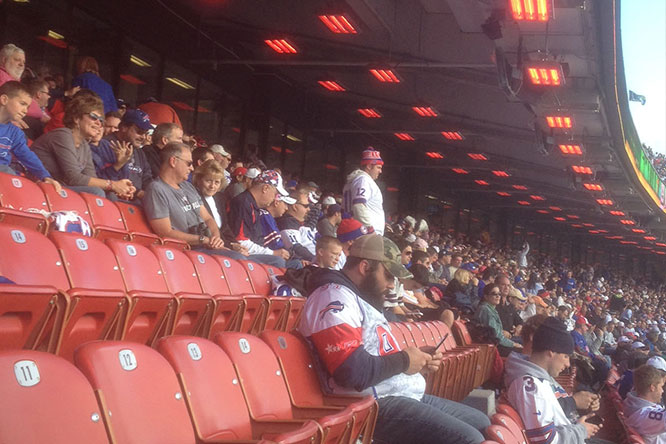
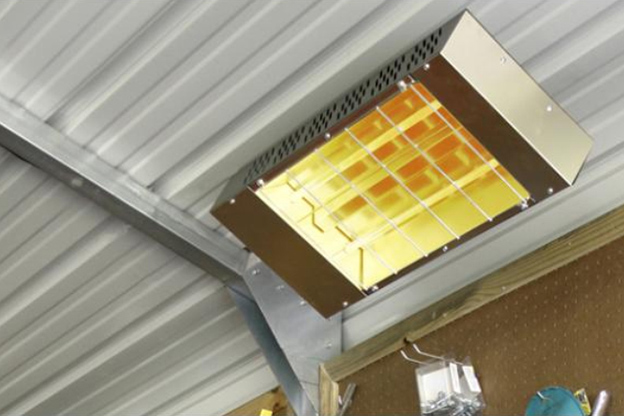
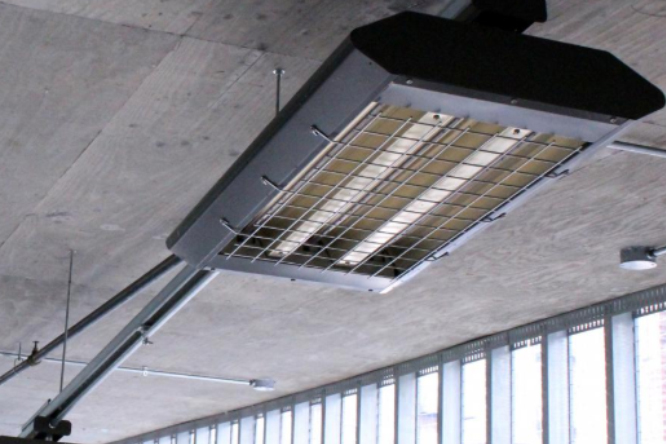
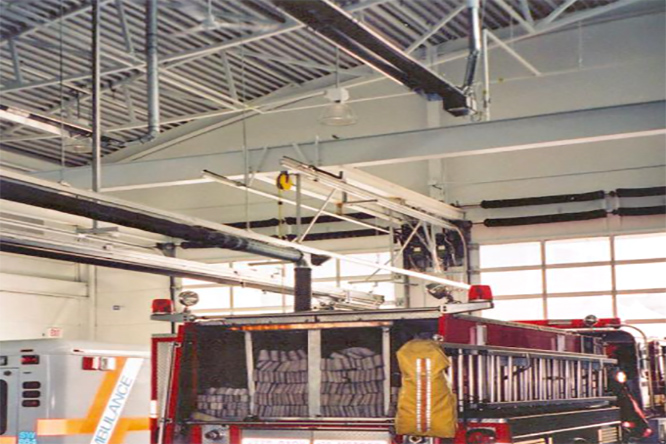
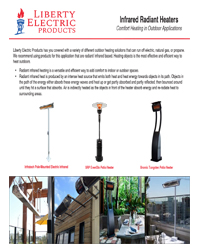
Infrared heater temperature output is governed by the peak wavelength of thermal energy that the emitter is designed to produce as all materials absorb heat differently depending upon the composition of the material itself plus its surroundings. This is why the same infrared radiant units that can be used outside at a professional football stadium would not be used in a large bus repair depot. Electric infrared heaters, also called IR or radiant heaters, come in many different shapes and sizes.
Not Sure What the Best Infrared Heater is for Your Application?
With many potentially unique applications, choosing the right type of heater (whether it is gas, electric, or a combination of the two) is an important first step. Please contact us so we can review and come see your application to ensure that we specify the best one for your needs.
Need Controls For Your Infrared Heater?
We offer a wide range of controls that offer the flexibility and functionality to best meet the needs of any residential or commercial property application. The convenience to adjust heating intensity, optional timer functions, and maximize energy efficiency as well as creating multiple heating zones with one or more heaters on each zone.
For larger jobs, we will custom build relay panels in our UL 508 panel shop to meet your application requirements, and every panel is tested to align with our quality standards before leaving our factory.
Learn more about our infrared heater controls.
Frequently Asked Questions
Quick Links
How do infrared radiant heaters work?
Infrared radiant heaters generate heat that is absorbed directly by people, floors, equipment, furniture, and other objects within their coverage area. These warmed surfaces then release heat back into the surrounding environment. Unlike forced-air systems, infrared heaters do not rely on circulating warm air throughout the space, making them effective in both indoor and outdoor applications.
Why are infrared heaters more efficient than traditional heating systems?
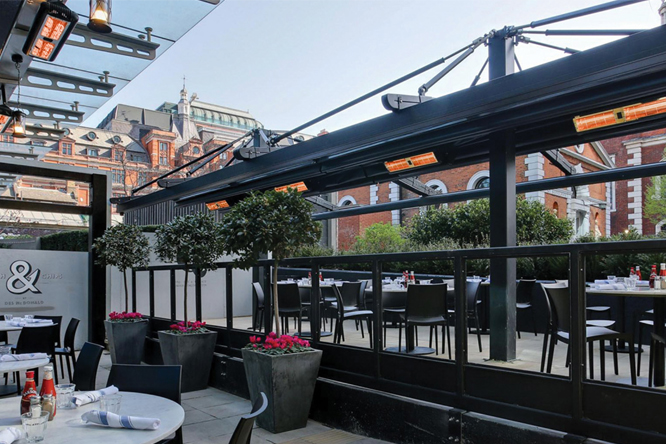
Traditional heating systems primarily focus on warming the air, which can result in heat loss through drafts, ventilation, or large open spaces. Infrared radiant heaters deliver energy directly to the intended target area, reducing wasted heat and providing faster comfort. This targeted heating approach can be especially beneficial in warehouses, outdoor patios, industrial facilities, and other locations where heating large volumes of air is inefficient.
What types of applications use infrared radiant heaters?
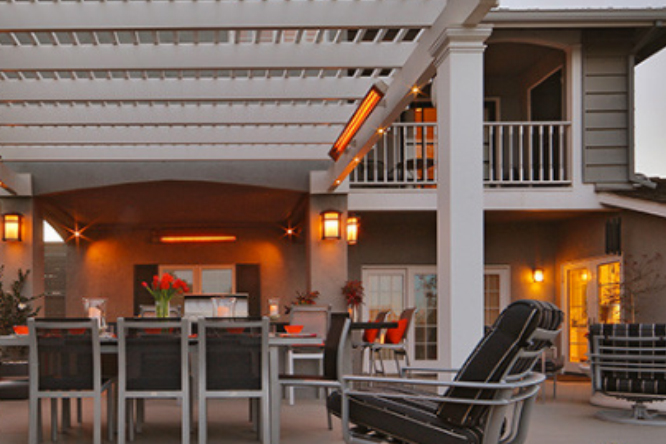
Infrared radiant heaters are used across a wide range of applications, including residential outdoor living spaces, restaurant patios, commercial gathering areas, industrial facilities, sports venues, maintenance shops, snow melting systems, and heavy-duty manufacturing environments. Different heater technologies and output levels are selected based on the size of the space, environmental conditions, and heating objectives.
Why does heater selection vary between applications?
Infrared heater performance is influenced by the wavelength and intensity of the radiant energy produced, as well as how different materials absorb that energy. As a result, a heater designed for an outdoor stadium may not be the best choice for an industrial maintenance facility or a commercial patio. Selecting the proper heater requires evaluating factors such as mounting height, coverage area, environmental conditions, and desired comfort levels.
What should be considered when selecting an infrared heating system?
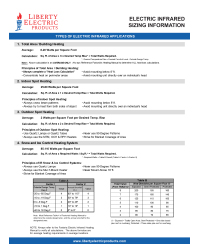
The first step is determining whether an electric, gas-fired, or hybrid solution is most appropriate for the application. Additional considerations include the space layout, required heat output, installation environment, control requirements, operating costs, and desired level of automation. Proper system design helps ensure effective heat coverage, energy efficiency, and long-term performance for the application.