Sensing & Automation
Industrial automation is changing at an extremely rapid pace. As an innovation leader, we draw on many years of expertise, supplemented by our broad range of product offerings to provide our customers with the best solution for their application. Networked production and control processes, along with sensors that record real operational statuses in complex machine environments will be necessary to support dynamic, real-time-optimized, and self-organized industry processes.
Our product portfolio has been developed to give our customers complete access to the best of what our world-class manufacturers have to offer. Contact us today so that we can help you specify or replace the right part on your application.
At a Glance: Sensing & Automation
- LEP & NEES provide sensing, automation, control, and industrial networking solutions that help manufacturers improve machine performance, process visibility, and operational efficiency.
- Product offerings include sensors, encoders, machine vision systems, measurement devices, motor controls, industrial networking products, power supplies, relays, drives, and automation components.
- Supporting technologies enable real-time monitoring, precise positioning, process control, identification, and data collection across a wide range of industrial applications.
We can provide a range of solutions to reflect, protect, test, and sense using:
- Proximity Sensors
- Photoelectric Sensors
- Automation Light Grids
- Temperature & Pressure Sensors
- Detection & Ranging Laser Measurement
- Distance Sensors
- Position & Pressure Transducers
- Capacitive Level Sensors
- Magnetic Linear & Rotary Encoders
- Encoders & Inclination Sensors
- Fluid Sensors & Gas Analyzers
- Identification Solutions
- Magnetic Cylinder Sensors
- Registration Sensors
- Rotary & Tilt Sensors
- Melt Pressure Control Systems
- Machine Vision & Optical Identification
- Ultrasonic Gas Flow Measuring Devices
- Solid State Relays
- Push Buttons & Pilot Lights
- Mechanical Cam Switches
- Magnetostrictive Linear Position Sensors
- Industrial Networking Technology
- Power Supplies
- Disconnectors for Photovoltaic DC Applications
- Intelligent Tower Lights
- Vector Inverters
- Servodrives
- Advanced Power Controllers
- Control & Load Switches
- Maintenance & Safety Switches
- Digital & Mechanical Timers
- Predetermining Counters
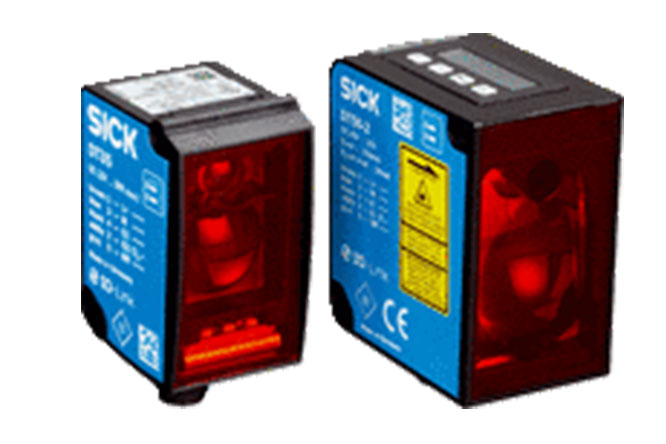 Photoelectric sensors
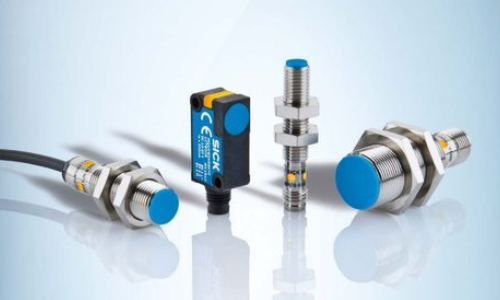
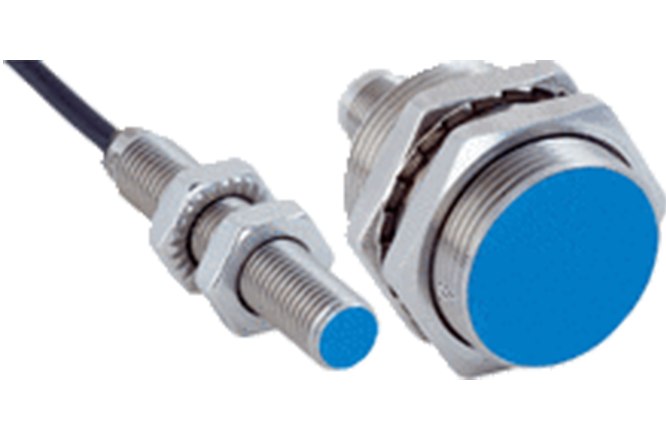 Proximity Sensors
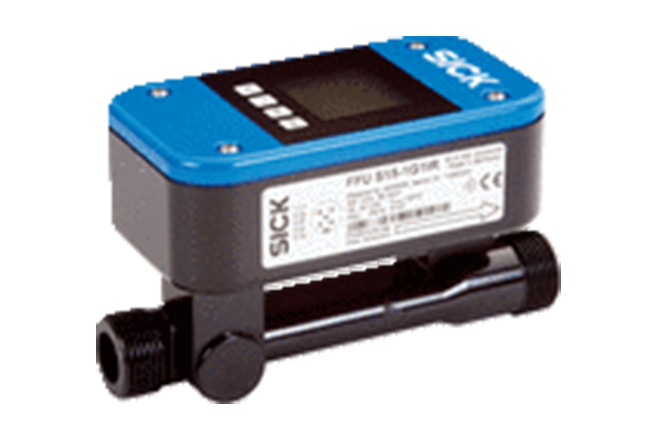 Flow Sensors
LEP & NEES also have a portfolio of accessories designed to decrease installation costs, prolong sensor life expectancy, reduce unplanned downtime, and increase the overall performance and utility.
Proximity Switches and Sensors
Photoelectric Proximity Switch
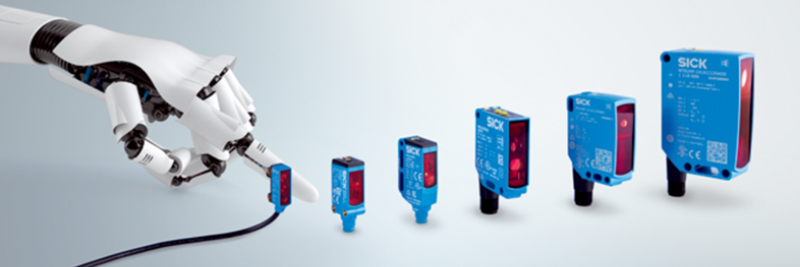
The most affordable photoelectric solution is the energetic proximity sensor. A light-colored surface reflects more light than a dark one and can therefore be detected from a greater distance away. To achieve similar results with a dark surface, the sensitivity of the sensor must be increased as light-colored objects against dark backgrounds are easier to detect.
Capacitive Proximity Sensor
Capacitive proximity sensors detect all objects. Capacitive proximity sensors are ideal for level and feed monitoring. From solid material, such as paper or wood, to granules or liquids, they reliably detect the status of the product during the production process and final inspection. The sensing range increases with the dielectric constant of the object to be detected.
Inductive Proximity Sensors
Inductive proximity sensors offer reliable detection in nearly all areas and industry sectors. They detect metal targets and are suitable for diverse applications due to their variety of housing shapes and sizes.
Magnetic Proximity Sensors
The defining feature of magnetic proximity sensors is their long sensing ranges, even with small housing sizes. They detect magnetic objects, usually permanent magnets, which are used to trigger switching. As magnetic fields can penetrate many non-magnetizable materials, switching can be triggered even through other materials. By using magnetic conductors (such as iron) the magnetic field can also be transported relatively long distances for various tasks, such as taking a signal out of an area of high temperature.
Additional Resources
Frequently Asked Questions
Quick Links
What sensing and automation products are available through LEP & NEES?
LEP & NEES offer a broad portfolio of sensing and automation products for industrial applications. Available solutions include proximity sensors, photoelectric sensors, temperature and pressure sensors, distance sensors, encoders, machine vision systems, identification technologies, gas analyzers, flow measurement devices, power supplies, industrial networking products, servodrives, vector inverters, relays, switches, timers, and advanced control devices. These technologies support applications ranging from simple machine monitoring to complex automated manufacturing systems. The extensive product selection allows customers to address a wide range of sensing, control, and automation requirements.
What is the difference between inductive, capacitive, photoelectric, and magnetic proximity sensors?
Each sensor technology is designed for specific detection tasks. Inductive proximity sensors detect metallic objects and are widely used in industrial automation due to their reliability and durability. Capacitive proximity sensors can detect a variety of materials, including solids, granular materials, and liquids, making them well-suited for level monitoring and product detection applications. Photoelectric sensors use light to detect objects and are often selected for longer sensing distances or applications requiring non-contact detection. Magnetic proximity sensors detect magnetic fields and can operate through many non-metallic materials, making them useful in applications where direct sensing access is limited.
How are sensors used in industrial automation systems?
Sensors provide the real-time information needed for automated machines and processes to operate efficiently. They can detect position, presence, distance, temperature, pressure, flow, inclination, level, speed, and numerous other operating conditions. This data is used by control systems to monitor equipment, automate decision-making, improve quality, and optimize performance. By supplying accurate process information, sensors help manufacturers increase productivity while reducing downtime and manual intervention.
What solutions are available for machine vision and identification applications?
LEP & NEES offer machine vision and optical identification technologies that help automate inspection, tracking, and verification processes. These solutions can be used to identify products, verify labels, read codes, inspect manufactured components, and support quality-control programs. Machine vision systems provide high-speed data collection and analysis without direct human involvement. These capabilities are increasingly important in modern manufacturing environments where traceability, efficiency, and consistency are critical.
How can LEP & NEES help with automation upgrades and replacement components?
LEP & NEES work with customers to specify products for new automation projects and identify replacement components for existing systems. Their team can assist with selecting the appropriate sensing technology, controls, drives, networking equipment, and automation products based on application requirements. They also offer accessory solutions designed to reduce installation costs, improve system reliability, extend component life, and minimize unplanned downtime. This application-focused support helps customers implement effective automation solutions while maintaining operational continuity.