Industrial Infrared Heaters
Radiant heat has become the preferred process heating method for a multitude of industrial applications due to the unique properties and significant advantages of infrared heaters. Infrared heaters create radiant energy to directly heat the product as opposed to a convection oven which is dependent on-air circulation as the heat transfer medium. By eliminating the air medium, radiant heating also reduces the losses associated with hot air ovens, and as a result, most products can be heated much more rapidly than in a convection oven.
Since infrared is not dependent on air as the heat transfer method, the air circulation in an infrared process is kept at a minimum. Powder coatings and light-weight materials can be heated rapidly due to low volume of air and low velocities. Because infrared heat can be easily controlled and directed, heaters can be "zoned" to provide a high heating zone in one zone and a lower heating rate in another.
Infrared heaters are very responsive to control changes; accurate and consistent product temperature control to within extremely close tolerances are possible.
At a Glance: Industrial Infrared Heaters
- Industrial infrared heaters deliver fast, precise process heating by transferring radiant energy directly to products and surfaces, eliminating many of the inefficiencies associated with convection-based heating.
- Zoned infrared heating systems provide exceptional temperature control, rapid response times, and improved energy efficiency for manufacturing, finishing, drying, curing, and industrial processing applications.
- Multiple heater technologies are available, including metal-sheathed radiant heaters, infrared panels, washdown-capable spot heaters, and high-efficiency gas-fired infrared systems to meet virtually any process heating requirement.
Our Products Include
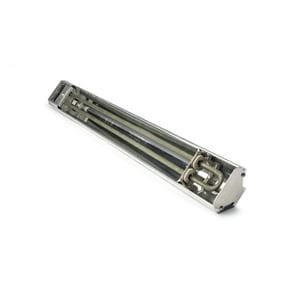
Metal Sheathed Radiant Heaters
These heaters are an extruded aluminum housing that contains one double hairpin-bent radiant heater in center, flanked by up to three (3)U-shaped elements. Movable mounting clamps and bolts are supplied to accommodate many mounting configurations such as banks, tunnels, and oven sections. Radiant heater output may be controlled with SCR Power Controllers, Percentage Timing Input Controls, and Non-Contact Temperature Sensors. Designed for long life, the element is more resistant to hard blows than quartz lamp or tube and open coil types and is also available in a hermetically sealed version.
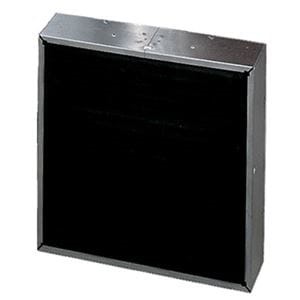
Radiant Panel Heaters
Wide area radiant heaters can be mounted to radiate in any direction and can reliably operate with no reduction in radiant output over the life of the heater. The lightweight building block approach allows for a modular installation, which is easily expandable.
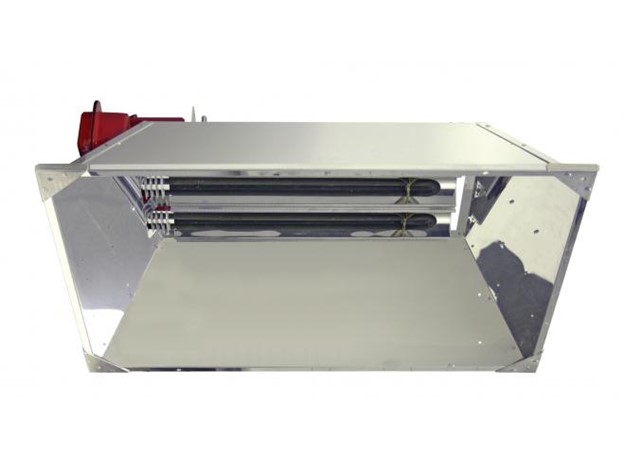
XRM Series Heaters
Industrial stainless-steel infrared heaters provide fan-free warmth for permanent supplemental, spot heating where dependence on air movement is impractical. Best utilized in open areas like repair bays, walkways, assembly areas, foundries, and loading docks, these high-output heaters can be mounted in any orientation. High-watt density and industrial design provides a durable source of heat with optional safety grilles and a sealed wiring compartment that allows units for washdown.
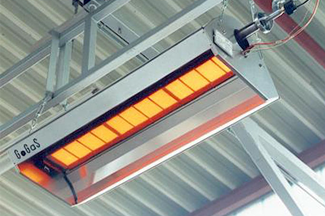
High-Efficiency Gas Tube Infrared
Series KMI high-intensity infrared heater has a radiant factor up to 81%, which provides significant energy savings and high thermal comfort. The heater utilizes 100% insulated reflectors, which prevents convective heat loss along with "high-grid" technology that improves heat yield.
Need Controls For Your Infrared Heater?
We offer a wide range of controls that offer the flexibility and functionality to best meet the needs of any residential or commercial property application. The convenience to adjust heating intensity, optional timer functions, and maximize energy efficiency as well as creating multiple heating zones with one or more heaters on each zone.
For larger jobs, we will custom build relay panels in our UL 508 panel shop to meet your application requirements, and every panel is tested to align with our quality standards before leaving our factory.
Learn more about our infrared heater controls.
Frequently Asked Questions
Quick Links
Why is infrared heating commonly used in industrial process applications?
Infrared heating transfers energy directly to the product being heated instead of first heating the surrounding air. This direct heating approach can significantly reduce heat-up times while improving process efficiency and temperature control. Because less energy is lost heating large volumes of air, infrared systems often provide faster production cycles and lower operating costs. These benefits make infrared technology popular for manufacturing, curing, drying, finishing, packaging, and material processing operations.
How does industrial infrared heating differ from convection heating?
Convection heating relies on heated air circulation to transfer heat to a product, which can result in energy losses and slower heating rates. Infrared heating generates radiant energy that is absorbed directly by the target material, allowing for more immediate and efficient heat transfer. Since air movement is minimized, infrared systems can be advantageous when processing lightweight materials, powder-coated products, or applications that could be affected by excessive airflow. The result is often more consistent heating and improved process control.
What types of industrial infrared heaters are available?
Industrial infrared solutions include metal-sheathed radiant heaters, radiant panel heaters, XRM series infrared heaters, and high-efficiency gas-fired infrared systems. Metal-sheathed heaters provide durable performance for tunnels, ovens, and production equipment. Infrared panel heaters offer modular designs that can be expanded as process requirements grow. XRM heaters are commonly used for spot heating in industrial facilities, while gas-fired infrared systems provide efficient heating for larger commercial and industrial spaces. Each technology is designed to address specific heating objectives and operating environments.
What industries and applications benefit from industrial infrared heating?
Industrial infrared heaters are used across a broad range of manufacturing and processing environments. Common applications include paint and powder coating curing, material drying, plastics processing, packaging operations, assembly areas, loading docks, foundries, repair bays, and industrial workstations. Infrared technology is also used where precise temperature control or rapid heating is required to improve process consistency. Because systems can be customized and zoned, infrared heating adapts well to both small production lines and large industrial facilities.
Can industrial infrared heaters be integrated with advanced controls?
Yes. Industrial infrared heating systems can be paired with SCR power controllers, temperature sensors, non-contact monitoring technologies, timers, and custom control panels to achieve precise process control. Zoned heating strategies allow different sections of a process line to operate at different temperatures based on production requirements. For larger installations, custom UL 508 control panels can be configured to manage multiple heaters and heating zones from a centralized system. These control capabilities help manufacturers improve product quality, repeatability, and energy efficiency.