BRK Alarm Troubleshooting
As UL and NFPA requirements continue to evolve to help smoke alarms detect emerging fire risks quicker, manufacturers have had to develop increasingly sophisticated sensing systems. These systems are designed to detect difficult-to-detect fire aerosols and provide earlier warnings under a broader range of fire conditions.
The result is an important improvement in fire detection, but it also means today’s alarms can be more responsive to certain environmental conditions. Dust, pollen, humidity, airborne contaminants, and excessive air movement can potentially contribute to nuisance alarms, particularly in smaller spaces or installations where the alarm is not properly maintained or is exposed to unfavorable environmental conditions.
The key point is simple: Today’s smoke alarms are designed to detect smaller airborne particles than some older-generation alarms. Unfortunately, fire smoke is not the only thing made up of small airborne particles.
Which means… Just because your old smoke alarms operated without issues in these conditions doesn’t mean today’s more sensitive alarms will be without more attention and maintenance.
At a Glance: BRK Alarm Troubleshooting
- Modern smoke alarms are designed to detect smaller airborne particles and emerging fire risks sooner, making proper installation, placement, and maintenance more important than ever.
- Environmental factors including dust, pollen, HVAC airflow, humidity, construction debris, and electrical interference can contribute to nuisance alarms.
- Most nuisance alarm issues can be resolved through cleaning, proper placement, airflow management, electrical troubleshooting, and adherence to manufacturer installation guidelines.
Common Environmental Conditions That Can Affect Smoke Alarms
Dust, Pollen and Other Airborne Debris
Dust, pollen and other contaminants can enter the sensing chamber and affect alarm performance. We see this occur in several different ways, particularly as seasonal conditions change.
For example, in buildings heated by non-fan-forced systems, windows may be opened during the spring and summer months. This can introduce pollen, dust and other outdoor contaminants into the building. When air conditioning systems that have been dormant through the winter are turned on, the resulting increase in air movement can also distribute accumulated dust and debris throughout the space.
Regular inspection and maintenance have become increasingly important in these environments.
HVAC Vents Located Too Close to the Alarm
Smoke alarms should not be exposed to continuous or excessive airflow.
When an alarm is located too close to an HVAC supply or return, constant air movement can pass across the sensing chamber. In commercial environments, this airflow can also carry dust, fibers, pollen, and other contaminants throughout the building.
The type and concentration of contaminants circulated by a commercial HVAC system can vary significantly depending on the facility and its operations. In some environments, this can create conditions that increase the potential for nuisance alarms.
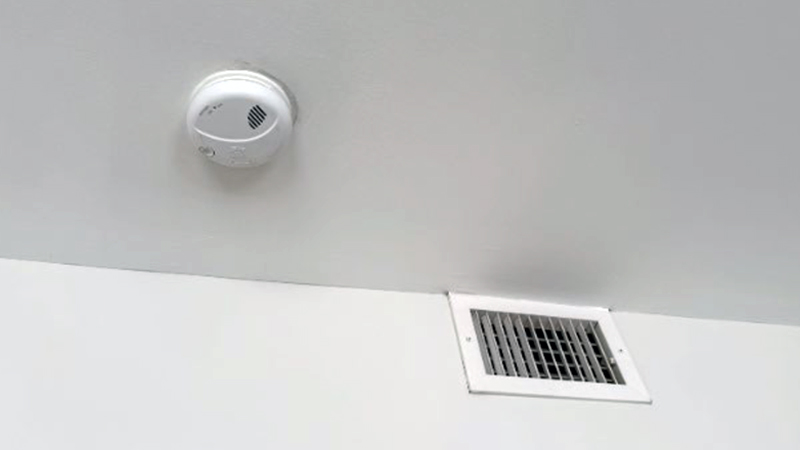
Proper alarm placement and maintaining the manufacturer's recommended separation from HVAC vents can help minimize these issues.
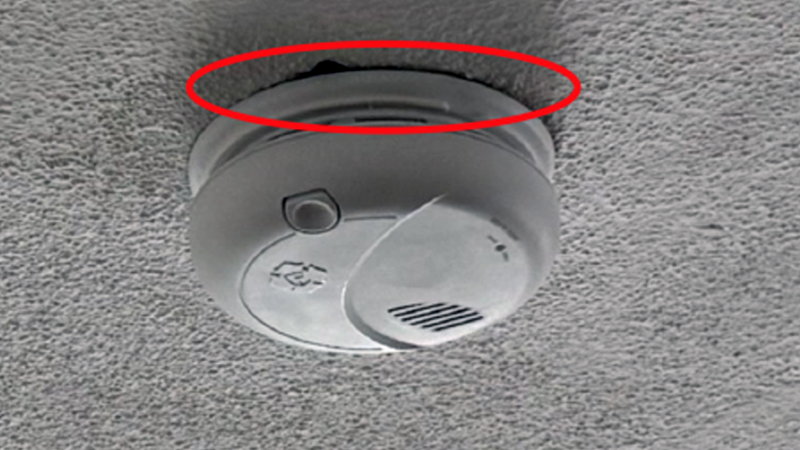
Gaps Around the Alarm or Electrical Box
Older buildings can present another challenge. Over time, gaps or openings can develop around the electrical box or mounting surface where the smoke alarm is installed. These openings can allow air to continuously move through or around the alarm.
That air can carry dust and other airborne particles directly into the sensing area of the alarm. Properly addressing openings around the mounting location can help reduce unwanted airflow and contamination.
Electrical Interference from LED Lighting and Dimmers
Environmental conditions aren't the only consideration with today's smoke alarms.
Modern LED drivers, electronic lighting systems, and dimmers can introduce electrical noise and transients onto a branch circuit. Because today's smoke alarms contain sophisticated electronic sensing and processing systems, the electrical environment supplying the alarm can also affect its performance.
This is why it is important to follow the manufacturers’ installation instructions regarding the electrical circuit supplying the alarm and any restrictions involving LED lighting, dimmers or other electronic loads.
What Building Owners Can Do to Reduce Nuisance Alarms
Building owners and facility managers can take several simple steps to reduce nuisance alarms while maintaining proper fire protection.
1. Keep Alarms Clean - Regularly
Dust and contaminants can accumulate in the sensing chamber. Inspect and clean alarms according to the manufacturer's recommendations, especially after construction or renovation.
You can watch the First Alert Cleaning video here.
2. Protect Alarms During Construction
Construction, sanding, and remodeling can generate significant airborne dust. Follow the manufacturers' and fire-code requirements for protecting alarms during this work and ensure they are properly cleaned and returned to service afterward.
3. Check Airflow
Keep alarms away from excessive airflow from HVAC vents, fans, and other sources. Air movement can carry dust and contaminants into the sensing chamber.
4. Seal Gaps Around the Alarm
In older buildings, gaps around electrical boxes or mounting surfaces can allow contaminated air to flow directly around the alarm. Address openings (where appropriate).
5. Maintain HVAC Systems
Replace filters and maintain HVAC systems according to manufacturer recommendations. Clean HVAC systems help reduce the amount of dust and contaminants circulating through the building.
6. Review Electrical Changes
When upgrading to LED lighting or adding dimmers, verify that the smoke alarm manufacturer's installation requirements allow the alarm to share that circuit with the new equipment. Don't assume an alarm can be installed exactly like an older model.
7. Investigate Repeated Alarms
If an alarm repeatedly activates, investigate the environment before simply replacing it. Check for:
- Dust or contamination
- Excessive airflow
- Nearby HVAC vents
- Construction activity
- Humidity or steam
- Aerosols or chemicals
- Changes to lighting or electrical equipment
Keep alarms clean, control excessive airflow, protect them during construction, maintain HVAC systems, and follow the manufacturer's installation requirements.
These simple steps can help reduce nuisance alarms while preserving the early fire detection today's alarms are designed to provide.
5 Troubleshooting Steps for Nuisance Alarms
If you are experiencing repeated nuisance alarms, check these five common causes before assuming the alarm is defective:
1. Check for Dust and Contamination
Dust, dirt, and construction debris inside the sensing chamber can cause nuisance alarms. Clean the alarm according to the manufacturer's instructions, particularly after construction or renovation.
2. Check the Alarm Location
Make sure alarms aren't too close to kitchens, bathrooms, laundry rooms, combustion appliances, or heating and air-conditioning vents. BRK recommends at least 3 feet from heat/AC vents.
3. Check for Electrical Interference
Alarms should not be wired on circuits with dimmer switches or other sources of electrical noise. Fluorescent lighting can also generate electrical interference that may contribute to nuisance alarms.
4. Check the Power and Wiring
Loose neutrals, poor connections, power interruptions, brownouts, voltage spikes, and other "dirty power" conditions can cause nuisance alarms. Backup generators, solar and wind systems should also be checked for proper power quality.
5. Look for Other Loads on the Circuit
Determine whether nuisance alarms occur when appliances, motors, heaters, tools, or other high-current equipment turn on or off. Large electrical loads on the same circuit can create voltage disturbances that affect interconnected alarms.
What to Do If the Nuisance Alarms Continue
If you've completed the troubleshooting steps and the nuisance alarms continue:
1. Remove and Identify the Alarm
Remove the alarm and place a piece of painter's tape on it. Clearly mark exactly where the alarm was installed (bedroom, hallway, floor, etc.). This information can be extremely helpful in determining the cause of the problem.
2. Contact the Manufacturer's Technical Support
Contact the manufacturer's technical support team for additional troubleshooting. Before calling, have the alarm's location information available and make sure you've reviewed the five troubleshooting steps above.
The more information you can provide about the alarm, its location, and the conditions surrounding the nuisance alarm, the easier it will be to identify the cause and resolve the issue.
The Bottom Line
Today's smoke alarms are designed to detect fires earlier and under a broader range of fire conditions. That improved performance requires sensing systems capable of detecting smaller and more difficult-to-detect fire aerosols.
That same capability means that environmental conditions such as dust, pollen, airborne contaminants, excessive humidity and airflow can become more important than they were with some older-generation alarms.
Proper installation, appropriate placement and regular maintenance are therefore more important than ever.
When installing or servicing today's smoke alarms, consider not only where the alarm is located, but also what is moving through the air around it and what is connected to the electrical circuit supplying it.
Following the manufacturer's installation and maintenance requirements helps ensure that the alarm can deliver the improved fire detection performance it was designed to provide.
Frequently Asked Questions
Quick Links
Why do modern smoke alarms sometimes experience nuisance alarms?
Today's smoke alarms use more sophisticated sensing technology designed to detect smaller airborne particles and provide earlier fire warning. While this improves fire detection capabilities, it can also make alarms more responsive to environmental contaminants such as dust, pollen, construction debris, humidity, and aerosols. Modern alarms are often more sensitive than older-generation devices, which may explain why a location that previously had no issues now experiences nuisance alarms. Proper maintenance and installation are essential to ensure reliable performance.
How can HVAC systems contribute to nuisance smoke alarms?
Excessive airflow from supply vents, return vents, ceiling fans, or other air-moving equipment can affect alarm performance. Air currents can carry dust, fibers, pollen, and other contaminants directly into the alarm's sensing chamber. In commercial facilities, HVAC systems may distribute airborne particles throughout the building, increasing the likelihood of nuisance activations. Maintaining proper separation between alarms and HVAC vents can help minimize these issues.
Can electrical equipment cause smoke alarm problems?
Yes. Modern LED lighting systems, dimmer switches, electronic drivers, and other electrical devices may generate electrical noise or voltage disturbances on a circuit. Poor wiring connections, loose neutrals, brownouts, voltage spikes, backup power systems, and other power quality issues can also affect alarm operation. Manufacturers often specify electrical installation requirements for their products, and those guidelines should be followed carefully. If nuisance alarms coincide with electrical upgrades, the circuit should be evaluated as part of the troubleshooting process.
What are the most important maintenance steps for reducing nuisance alarms?
Regular cleaning is one of the most effective ways to prevent nuisance alarms. Dust and contaminants should be removed according to the manufacturer's maintenance instructions, especially after construction, remodeling, or seasonal HVAC changes. Building owners should also maintain HVAC filters, check for excessive airflow near alarms, and inspect mounting locations for gaps that could allow contaminated air to enter. Consistent preventive maintenance helps preserve proper alarm sensitivity and reliability.
What should I do if nuisance alarms continue after troubleshooting?
If repeated nuisance alarms persist, identify the specific alarm involved and document its exact location within the building. Review common causes such as contamination, airflow, humidity, electrical interference, nearby HVAC vents, and recent building changes. Contact the manufacturer's technical support team with details about the alarm location, operating conditions, and troubleshooting steps already completed. This information can help determine whether the issue is related to the environment, installation, maintenance, or the alarm itself.